


Adjacent Segment Disease Risks: The Long-Term Impact of Spinal Fusion
- parkerneilldc
- Mar 19, 2021
- 2 min read
Updated: 7 days ago

Adjacent Segment Disease Risks: The Long-Term Impact of Spinal Fusion
Spinal fusion is often recommended for patients with chronic back pain, instability, or severe spinal conditions. However, many individuals experience long-term complications after surgery, impacting their mobility, comfort, and overall spinal health. Understanding adjacent segment disease risks is essential for patients in Cary, NC, who are looking to protect their spinal integrity.
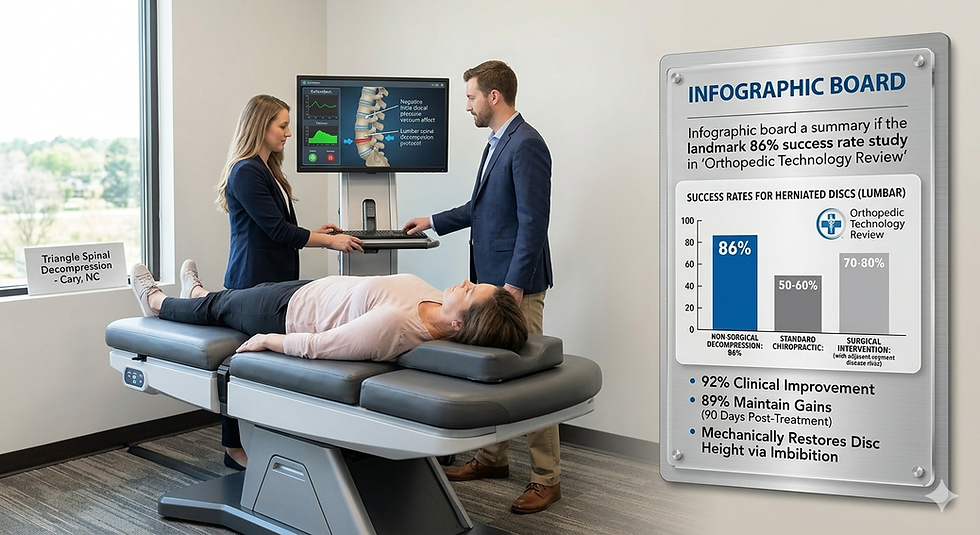
At Triangle Spinal Decompression, Dr. Abbie Swank and Dr. Parker Neill provide non-surgical alternatives to spinal fusion, helping patients relieve pain and regain function without invasive procedures.
What is Spinal Fusion?
Spinal fusion is a surgical procedure that permanently joins two or more vertebrae to stabilize the spine and reduce pain. While it can be effective in certain cases, fusion also limits spinal mobility and may lead to additional complications over time.
Adjacent Segment Disease Risks and Other Long-Term Side Effects
The most significant concern following a fusion is the mechanical shift in how the spine handles weight.
1. Adjacent Segment Disease Risks (ASD)
Because the fused segment no longer moves, the spinal segments above and below the fusion experience increased stress, accelerating degeneration. Adjacent segment disease risks can lead to herniated discs, arthritis, and new pain symptoms at levels that were previously healthy.
2. Failed Fusion (Non-Union) and Hardware Issues
In some cases, the vertebrae fail to fully fuse, causing persistent pain and instability. Screws, rods, or plates may loosen, break, or shift, leading to discomfort or the need for revision surgery.
3. Limited Mobility and Stiffness
Fusion restricts movement in the affected area, often causing muscle imbalances and reduced flexibility. Patients may struggle with bending, twisting, or engaging in activities that require spinal movement.
4. Chronic Pain and Muscle Weakness
Scar tissue and muscle dysfunction around the surgical site can lead to ongoing discomfort. Weakening of surrounding muscles can put additional strain on the spine, worsening symptoms over time.
5. Increased Likelihood of Future Surgeries
Many fusion patients require additional procedures due to the progression of adjacent segment disease risks or new spinal degeneration. Revision surgeries can be more complex, costly, and carry a higher risk of complications.
Avoiding Surgery with Non-Surgical Treatment Options
At Triangle Spinal Decompression in Cary, NC, we help patients avoid spinal fusion—or recover from its complications—using proven, non-invasive therapies designed to mitigate adjacent segment disease risks.
Spinal Decompression Therapy
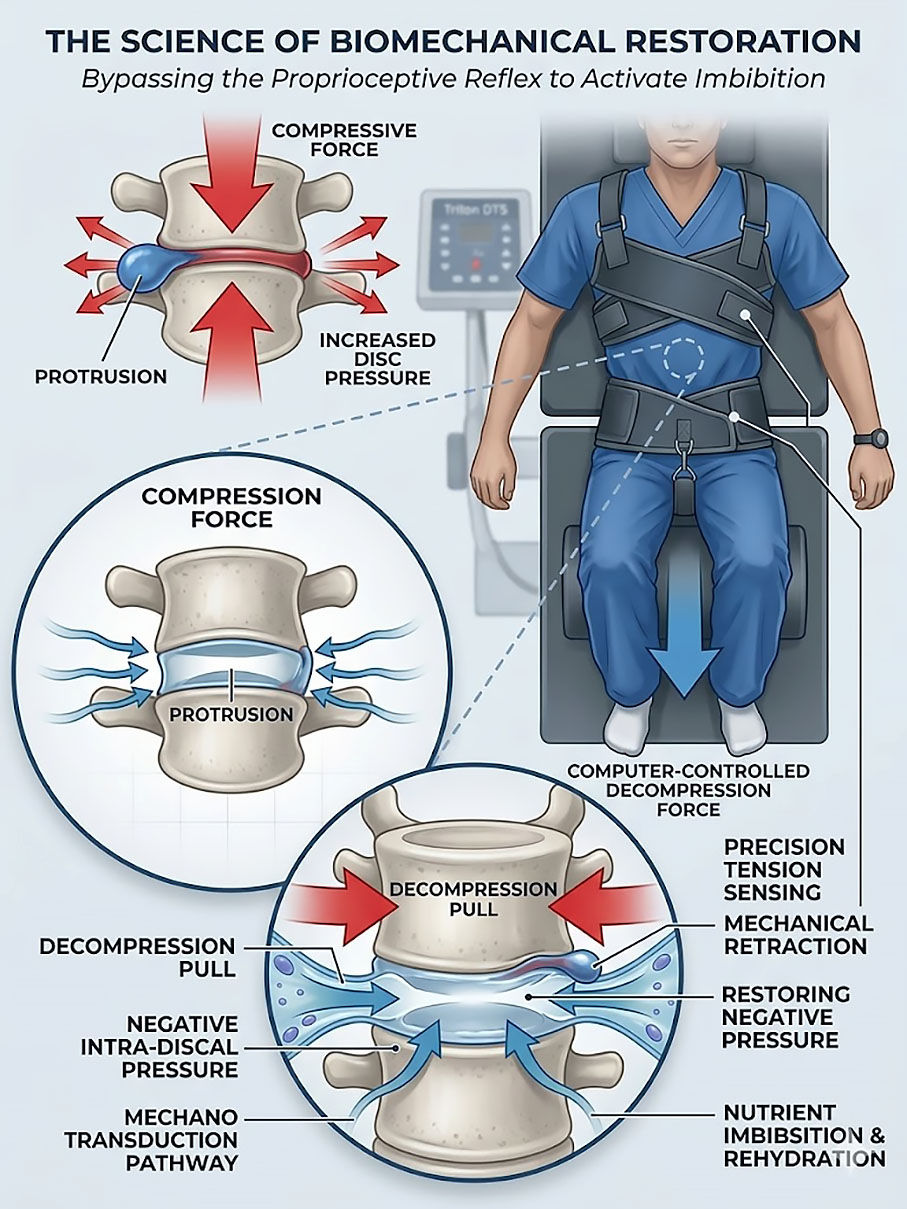
This FDA-cleared, computer-guided treatment gently stretches the spine, relieving pressure on compressed nerves and discs. By rehydrating spinal discs and promoting healing, decompression therapy can reduce pain and improve function without the risks of surgery.
Chiropractic Care
Expert spinal adjustments restore normal joint movement, improve alignment, and relieve nerve irritation, helping patients feel and move better.
Physiotherapy & Rehabilitation
A customized rehab plan strengthens the muscles supporting the spine, reducing stress on affected areas and preventing further injury.
Get Relief Without Surgery at Triangle Spinal Decompression
Fight the long-term side effects of spinal fusion. Whether you’re considering spinal fusion or dealing with post-surgical pain and adjacent segment disease risks, explore safer, effective options with Dr. Abbie Swank and Dr. Parker Neill. Our team helps patients throughout Cary, RTP, Raleigh, Apex, and Morrisville find lasting relief—without the risks of surgery.

Comments